My perspective on manufacturing...
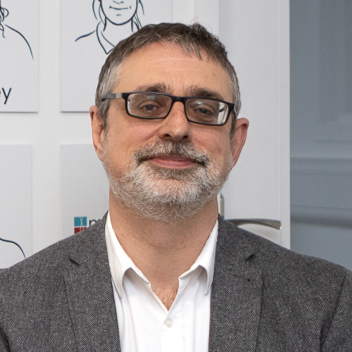

Stuart Burlton shares how growing up around a traditional factory, and seeing it disappear shaped the way he thinks about skills, work and why they matter more than we often realise.
My perspective on manufacturing was shaped long before I ran a business of my own. It began with my father and the factory that he managed - RSB - the Royal School for the Blind. The charity employed partially sighted and blind workers, in solid full time employment making hand stitched Coir Mats. Using the same craft techniques that had been used for hundreds of years, they made Traditional Coir Matting for the likes of the National trust, English Heritage, and people’s Edwardian and Victorian homes. Just the same way as they had always been made.
Factories like that rarely make headlines. Skilled jobs for workers that may usually be economically inactive. For many people, RSB wasn’t just a place of work; it was a long-term commitment. Skills were learned slowly, passed on informally, and refined over decades.
That kind of environment creates something hard to measure but easy to recognise: confidence. The workers knew what they’re doing. They trusted their hands, their judgement, and the people around them. All in an inspiring environment where everyone is treated equally.
When the factory closed, it didn’t happen because the work had suddenly lost value or because the workforce had failed to adapt. A change of government policy towards the workshops, fundamentally changing the business model, made them unsustainable. The decision itself may have made sense on paper. The consequences were felt far beyond it.
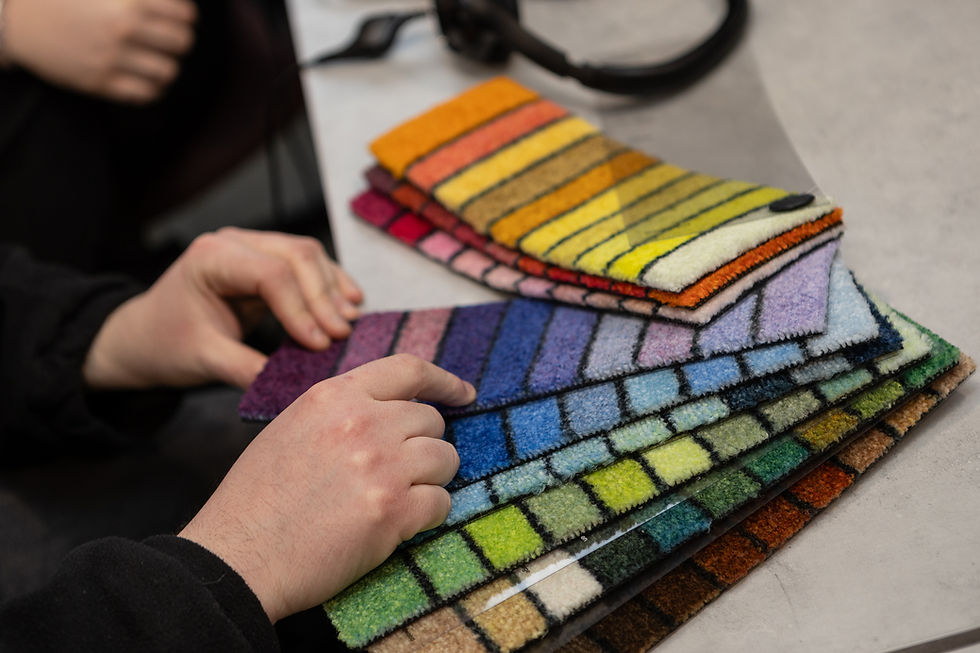
What struck me most at the time was how quickly something solid could disappear. A factory that had taken decades to build, with centuries old skills was gone in a matter of months. Machinery was removed. People dispersed. Skills disappeared.
That experience stayed with me, because it revealed something uncomfortable: manufacturing capability is far more fragile than we like to admit.
According to the Office for National Statistics, UK manufacturing employment has been in long-term decline since the late 1970s, with the steepest impacts felt in regional economies. Statistics like that help explain what many communities have lived through, the gradual erosion of skilled work and the confidence that comes with it.
But numbers don’t capture the full picture. When a factory closes, it’s not only jobs that go. It’s informal training. It’s problem-solving knowledge. It’s the quiet understanding of how materials behave, how processes fail, and how quality is maintained under pressure. These things don’t transfer easily into manuals or spreadsheets. RSB didn’t survive, but the lesson it left behind is practical rather than sentimental: if you still have skilled people, functioning processes and shared knowledge, they are worth protecting. Once they’re gone, no amount of hindsight can bring them back intact.
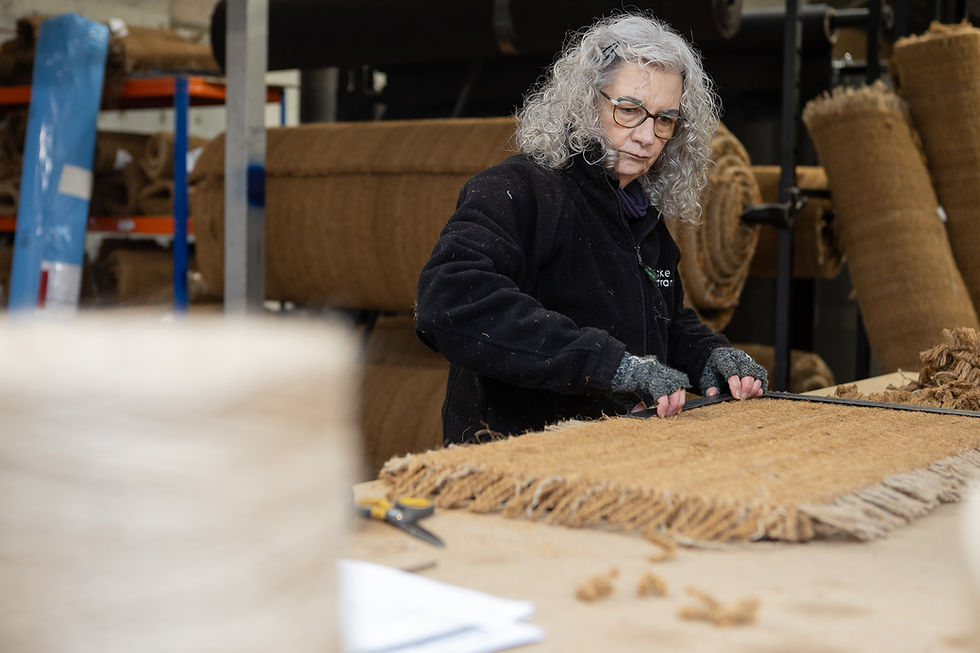
When we made the decision in 2018 to reboot traditional coir matting, the starting point was skills rather than scale. The craft knowledge had disappeared, so the focus was on rebuilding it patiently, teaching ourselves how the material behaves, how designs translate into fibre, and why consistency matters over speed. That approach now supports a dedicated workforce, producing traditional coir mats both in our own workshops and our workshops within Lincolnshire prisons, where learning a tangible craft helps rebuild confidence, discipline and pride. In a country where reoffending remains a persistent challenge, restoring practical skills has proved to be about more than making products - it’s about giving people something solid to build from.
For readers, the takeaway is broader than manufacturing alone. Any organisation that relies on skill, judgement and experience faces the same risk. These things don’t disappear with a bang. They erode quietly, one shortcut at a time.
Seeing that up close taught me to treat capability as something active, not assumed. Something that needs looking after.
And that understanding, earned early and reinforced often continues to shape how I think about work, value and responsibility today. With social impact at the core and giving people a chance.
Author: Stuart Burlton
Business: Make An Entrance
Email: stuarty@makeanentrance.com
Photography: Headshot Toby


Comments