top of page

Low Risk Doesn't Mean No Risk
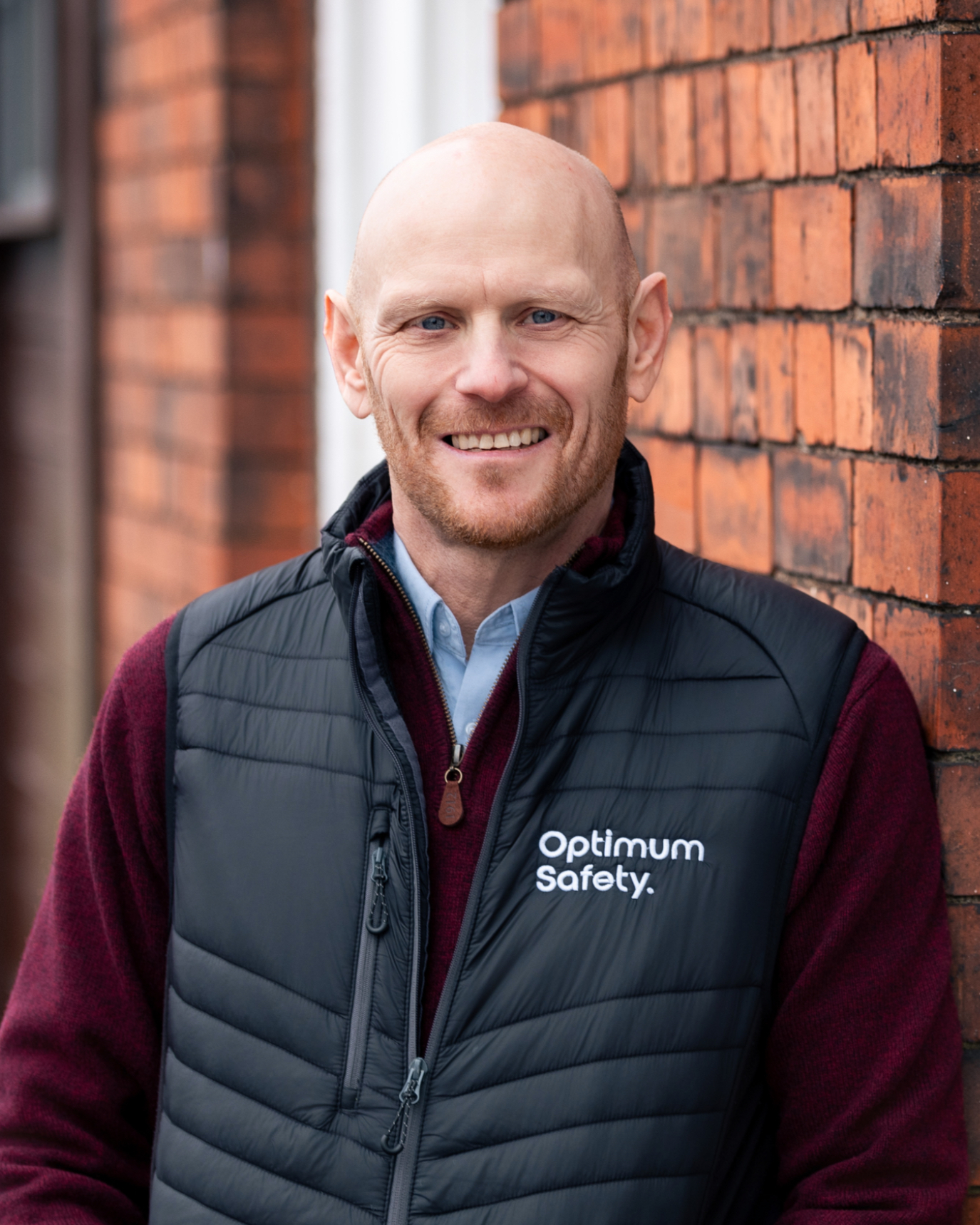
  • Writer: Chris Owen
    Chris Owen
  • 3 days ago
  • 5 min read
Optimum Safety checking a fire extinguisher

If you run an office-based business, it's easy to assume health and safety isn't something you need to worry about. You're not dealing with heavy machinery, dangerous substances, or high-risk environments. But offices still have hazards and those hazards still come with legal duties.


HOW WE'RE DIFFERENT AT OPTIMUM SAFETY


Some consultancies make health and safety feel complicated. They rely on jargon, unnecessary documents and generic templates that look impressive but don't help anyone day-to-day. That's not our approach.


At Optimum Safety, we're approachable, straight-talking, and practical. We'll tell you what you actually need to do, why it matters and how to keep it manageable. No fuss, no scare tactics and no paperwork for paperwork's sake; just clear advice that fits your business.


OUR TOP FOUR TIPS FOR OFFICE-BASED SMES


1) Keep your risk assessment realistic and up to date. You don't need a huge document, but you do need something that reflects your workplace. Any time you change your office layout, take on new staff, introduce homeworking, or bring in new equipment, it's worth checking that your risk assessment is still relevant. A short, accurate risk assessment is far better than a long winded one that no-one reads.


It's also good practice to have arrangements in place for higher-risk groups before the need arises. For example, you must have a young person's risk assessment in place before they start working for the company and a separate risk assessment and policy for new and expectant mothers, which is updated throughout the pregnancy.


2) Take fire safety seriously in your own premises or shared buildings. If you're in a managed building, there will often be a building-level fire risk assessment, but that doesn't remove your responsibilities as an employer. Your staff still need to know what to do, where to go, and how to get out safely. Make sure escape routes are kept clear, your employees are aware of fire safety procedures and you know what arrangements are in place for alarms, exits, and evacuation.


If you own your premises, you'll need a robust fire risk assessment carried out by a competent, trained fire risk assessor. This should reflect how the building is used and be kept up to date, so the right controls are in place and staff know exactly what to do in an emergency.


Chris Owen of Optimum Safety

3) Don't overlook Display Screen Equipment (DSE), especially with hybrid working. DSE issues can creep up on people. Back / neck pain, eye strain and repetitive strain injuries often build over time. Simple adjustments make a big difference: correct chair set-up, screen height, having a separate mouse and keyboard for laptop users. If your team works from home, the duty still applies, so it's important to make sure people have what they need to work comfortably and safely.


4) Reduce slips and trips with basic housekeeping. One of the most common causes of injury in offices are slips, trips and falls. That usually comes down to avoidable hazards like trailing cables, open drawers, cluttered walkways, loose mats, or items stored where they shouldn't be. A quick walkaround once a week is often enough to spot problems early and rectify them before they can cause harm. Employees can also fall from height in offices, often because people take shortcuts. If any task involves working at height, even briefly, make sure staff have the right equipment to use (such as a suitable step stool or step ladder) and know how to use it safely. Training must be provided when any employee works at height. This could be a simple toolbox talk for low level/low risk or more detailed training either face to face or via an eLearning course for higher risk working at height.


A FINAL THOUGHT


"Low-risk doesn't mean no responsibility. If you're not sure whether you've covered the basics, or you would like support that's straightforward and easy to apply, Optimum Safety is here to help."If you run an office-based business, it's easy to assume health and safety isn't something you need to worry about. You're not dealing with heavy machinery, dangerous substances, or high-risk environments. But offices still have hazards and those hazards still come with legal duties.


HOW WE'RE DIFFERENT AT OPTIMUM SAFETY


Some consultancies make health and safety feel complicated. They rely on jargon, unnecessary documents and generic templates that look impressive but don't help anyone day-to-day. That's not our approach.


At Optimum Safety, we're approachable, straight-talking, and practical. We'll tell you what you actually need to do, why it matters and how to keep it manageable. No fuss, no scare tactics and no paperwork for paperwork's sake; just clear advice that fits your business.


OUR TOP FOUR TIPS FOR OFFICE-BASED SMES


1) Keep your risk assessment realistic and up to date. You don't need a huge document, but you do need something that reflects your workplace. Any time you change your office layout, take on new staff, introduce homeworking, or bring in new equipment, it's worth checking that your risk assessment is still relevant. A short, accurate risk assessment is far better than a long winded one that no-one reads.


It's also good practice to have arrangements in place for higher-risk groups before the need arises. For example, you must have a young person's risk assessment in place before they start working for the company and a separate risk assessment and policy for new and expectant mothers, which is updated throughout the pregnancy.


2) Take fire safety seriously in your own premises or shared buildings. If you're in a managed building, there will often be a building-level fire risk assessment, but that doesn't remove your responsibilities as an employer. Your staff still need to know what to do, where to go, and how to get out safely. Make sure escape routes are kept clear, your employees are aware of fire safety procedures and you know what arrangements are in place for alarms, exits, and evacuation.


If you own your premises, you'll need a robust fire risk assessment carried out by a competent, trained fire risk assessor. This should reflect how the building is used and be kept up to date, so the right controls are in place and staff know exactly what to do in an emergency.


3) Don't overlook Display Screen Equipment (DSE), especially with hybrid working. DSE issues can creep up on people. Back / neck pain, eye strain and repetitive strain injuries often build over time. Simple adjustments make a big difference: correct chair set-up, screen height, having a separate mouse and keyboard for laptop users. If your team works from home, the duty still applies, so it's important to make sure people have what they need to work comfortably and safely.


4) Reduce slips and trips with basic housekeeping. One of the most common causes of injury in offices are slips, trips and falls. That usually comes down to avoidable hazards like trailing cables, open drawers, cluttered walkways, loose mats, or items stored where they shouldn't be. A quick walkaround once a week is often enough to spot problems early and rectify them before they can cause harm. Employees can also fall from height in offices, often because people take shortcuts. If any task involves working at height, even briefly, make sure staff have the right equipment to use (such as a suitable step stool or step ladder) and know how to use it safely. Training must be provided when any employee works at height. This could be a simple toolbox talk for low level/low risk or more detailed training either face to face or via an eLearning course for higher risk working at height.


A FINAL THOUGHT


"Low-risk doesn't mean no responsibility. If you're not sure whether you've covered the basics, or you would like support that's straightforward and easy to apply, Optimum Safety is here to help."

Author: Chris Owen

Business: Optimum Safety

Email: office@optimum-safety.co.uk

Photography: Headshot Toby

Comments


bottom of page